
A written, usable summary
You get straightforward documentation of what was observed, where it was found, and what conditions were present at the time of inspection.
Serving Waco, Texas & surrounding areas
24/7 Emergency Response
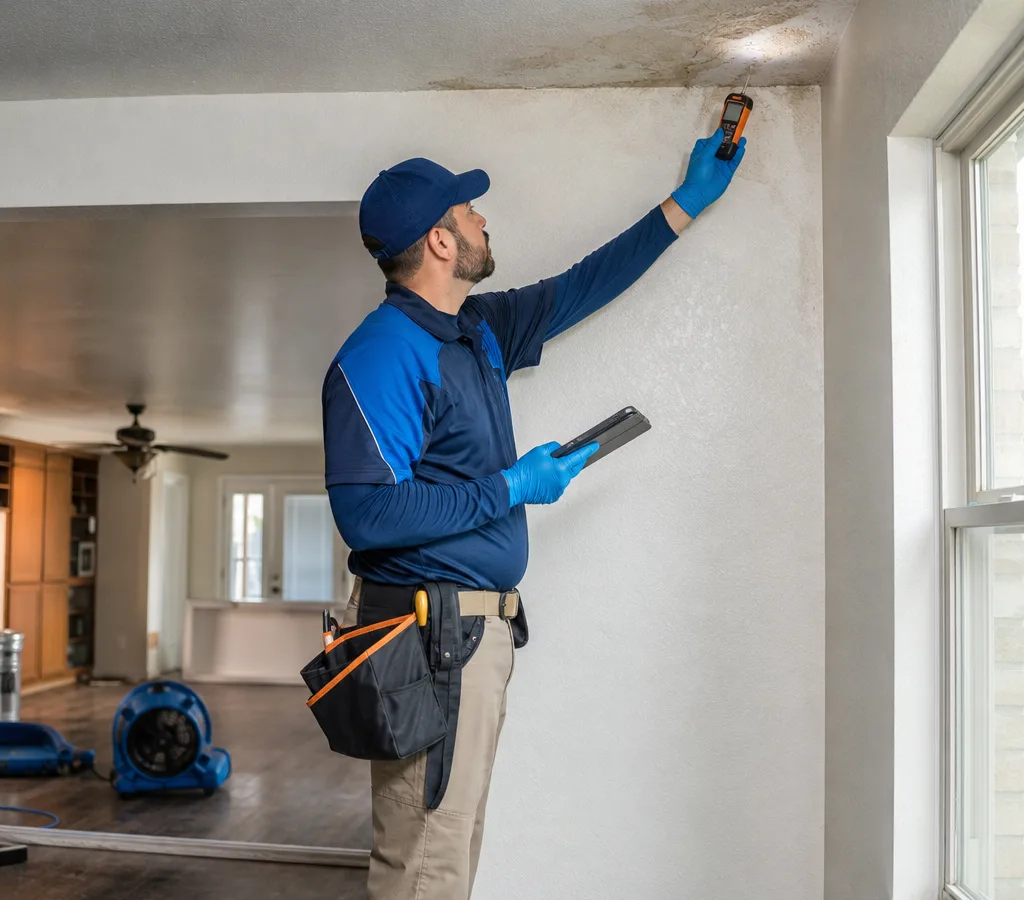
Mold inspection in Waco, TX
Get a careful, documented evaluation for visible and hidden mold, with straightforward next steps you can use with a landlord, buyer, or contractor.
✓ Skip the 3-hour Google rabbit hole — we’ve already done the vetting
✓ One conversation, not ten voicemails and seven web forms
✓ 24/7 emergency response — talk to a real person who actually knows Waco
A real person answers - 24/7 Emergency Response
Know when to investigate
If you are searching for mold inspection Waco, you are usually trying to answer one of two questions: “Is there mold I cannot see?” or “How serious is what I am seeing?” A proper inspection does more than confirm a suspicion. It documents conditions, traces likely moisture sources, and clarifies whether testing makes sense for your situation.
Common reasons Waco homeowners and renters book an inspection:
In Central Texas, humidity and quick weather swings can push moisture into wall cavities, attics, and HVAC components. That is why inspections focus on the building science: where water is getting in, where it is staying, and what materials are at risk.
Evidence before decisions
A mold inspection is a structured evaluation of conditions that support mold growth and the areas where it is most likely to show up. At Water Damage Waco, our process is designed to be thorough, easy to understand, and defensible if you need to share the findings with a property manager, seller, or contractor.
Typical inspection components:
We do not guess based on smell alone, and we do not treat every spot as a crisis. The goal is an accurate picture of the problem so your next decision is based on evidence.
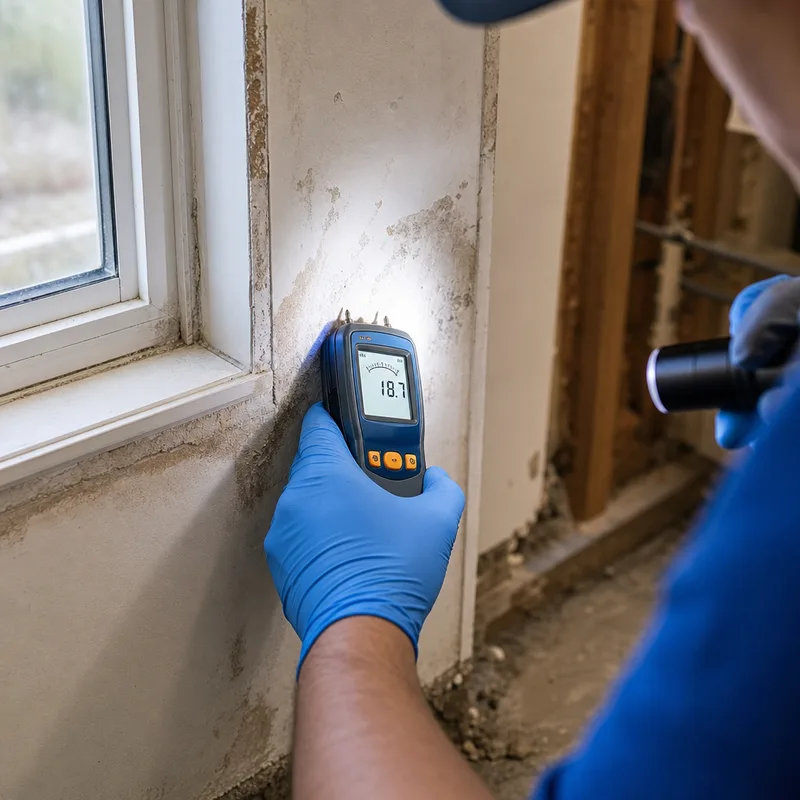
Useful findings, clearly explained
You get straightforward documentation of what was observed, where it was found, and what conditions were present at the time of inspection.
We focus on the water source and moisture retention, because mold returns when moisture remains or comes back.
If remediation is warranted, we outline what should be addressed and what questions to ask before any work begins.
Sampling is not always necessary. When it is, we explain what each sample can and cannot prove so you are not paying for noise.
We can frame findings in a clear way that is easier to share with buyers, sellers, landlords, and property managers.
In Waco homes, we often pay extra attention to attics, HVAC closets, and areas near exterior penetrations where humidity and minor leaks can go unnoticed.
Our process
The evaluation moves from your history and priority areas through moisture checks, optional sampling, clear findings, and usable documentation.
We start with a few questions about the building, past leaks, recent repairs, and the rooms where you noticed odor, staining, or symptoms.
We inspect the areas of concern first, then expand to connected spaces. Moisture readings help confirm whether materials are currently damp or show signs of repeated wetting.
If sampling is appropriate, we collect air or surface samples from the right locations, including an outdoor baseline when needed for comparison.
We explain what we saw in plain language: what looks like active growth versus old staining, how airflow may affect distribution, and what conditions are feeding the issue.
You receive documentation you can act on. If remediation or repairs are next, we outline the scope to discuss with whoever does the work.
Planning the evaluation
Mold inspection in Waco typically ranges from about $250 to $650, depending on the size of the home, how many areas need evaluation, and whether sampling is recommended. A smaller, focused inspection with limited or no sampling is usually on the lower end, while larger homes or multi-area investigations with lab testing land higher.
Final pricing depends on access to attic or crawl areas, the complexity of the moisture issue, the number of samples, and how quickly results are needed. The exact cost is confirmed after we understand the property and the concerns you want addressed.
Choose the right evidence
Inspection and testing are related, but they are not the same.
A mold inspection focuses on visible conditions, moisture, building materials, and likely sources. It answers: where is the problem, what is causing it, and what is the logical next step.
Mold testing adds lab data. It can help when:
Testing is less helpful when the moisture source is obvious and visible growth is already present. In that case, correcting the water problem and safely addressing affected materials matters most. For recent or active moisture issues, start with an inspection so decisions are guided by the building conditions, not only a lab report.
If you also need help with time-sensitive moisture problems, review the Water Damage Waco home overview.
Customer proof
“We had a musty smell in one bedroom that nobody could pinpoint. The inspection found elevated moisture near a window and showed us exactly what to fix first. The written notes made it easy to talk with our contractor.”
“I needed something I could share with my landlord, not just a verbal opinion. The report and photos were clear, and the inspector explained what testing would and would not prove before we spent money on samples.”
Practical answers
Most mold inspections take about 60 to 120 minutes on site, depending on the size of the home and how many areas need moisture checks and documentation. If sampling is performed, collection is usually quick, and lab turnaround time varies by the lab and the number of samples submitted.
Yes, in many cases we can identify strong indicators of hidden mold without demolition by using moisture mapping, thermal imaging when conditions allow, and targeted inspection of adjacent accessible areas. If those indicators point to a concealed issue, we can recommend the least invasive way to confirm it.
In most cases you do not need to leave during an inspection because we are observing, measuring, and documenting rather than disturbing materials. If sampling is performed, it is still generally fine to remain home, and we can explain any precautions based on the specific situation.
We can explain what we observe and whether conditions suggest an active moisture problem, visible growth, or areas that should be isolated and addressed promptly. Health and medical advice should come from a licensed healthcare provider, but we can give practical, building-focused guidance on reducing exposure while you plan next steps.
Not always, but testing is often useful in real estate because it creates an objective record that is easier to share during negotiations. If there is visible growth or a history of leaks, an inspection with photo documentation and targeted sampling can clarify scope and help prevent last-minute surprises during due diligence.
Make the areas of concern accessible by clearing a small path to under-sink cabinets, closets, attic access points, and the HVAC closet if applicable. If you have records of past leaks or repairs, set them aside, and avoid heavy cleaning or running air purifiers right before sampling since that can affect readings.
Yes, we can inspect rental homes and apartments, but access and authorization depend on the lease and property management rules. If you are a tenant, it helps to coordinate entry with the landlord or manager so the inspection can include the relevant spaces and the documentation can be shared appropriately.
Schedule a documented inspection
Tell us what you are noticing and where it is happening. We will schedule a mold inspection that fits your situation and provide documentation and next steps you can act on.